
Integration After a Psychedelic Cannabis Journey
When we talk about integrating a psychedelic journey, we’re really talking about something that applies to experiences with many different substances, whether cannabis, mushrooms, LSD, MDMA, or others.
I think sometimes we put so much focus on the journey itself, what we experienced, what we saw, what came up, and the insights we had. And of course, all of that is important. But sometimes even more important than the journey itself is what we do with it afterward. How do we take what we experienced and actually bring it into our everyday lives?
Sometimes during a journey we might find ourselves in a place of incredible openness and openheartedness. We might realize that we’ve been living so much from our minds, trying to figure everything out, making decisions based on what makes sense, and not really leading our lives from our hearts. And we might come away with a desire to change that. To be more connected to ourselves, to listen to our hearts, and to bring more of that into our relationships and the way we live.
One of the things we can practice afterward is learning to turn inward and ask our heart what it has to say. Sometimes literally putting a hand on our chest and asking, “Well, what do you think? What do you feel? What do you have to say about this?”
Our minds don’t always have the answers. And sometimes we need to learn to listen to a different place inside ourselves. This is something we can practice in our everyday lives, especially when questions or challenges come up. Rather than immediately going into our heads and trying to figure everything out, we can pause and turn inward. It’s a different way of relating to ourselves, and something we can begin bringing into our daily lives.
Of course, not everything that comes up during a journey is beautiful or comfortable. Sometimes difficult emotions come up, or we become aware of patterns in ourselves that we’d rather not have. Sometimes trauma-related material comes up that we weren’t even aware of.
I think it’s important to approach this material with some care. When memories or images come up during a psychedelic experience, we don’t always know exactly what they mean. Sometimes what feels like a memory is actually more of an emotional experience or a feeling. Sometimes memories are real, too. So I don’t think we need to immediately assume that everything that comes up is a literal memory of something that happened. We can explore the feelings and the material without rushing to decide exactly what it means. Sometimes there’s a message in what we’re experiencing, even if we don’t know exactly where it comes from.
Giving yourself some space after a journey
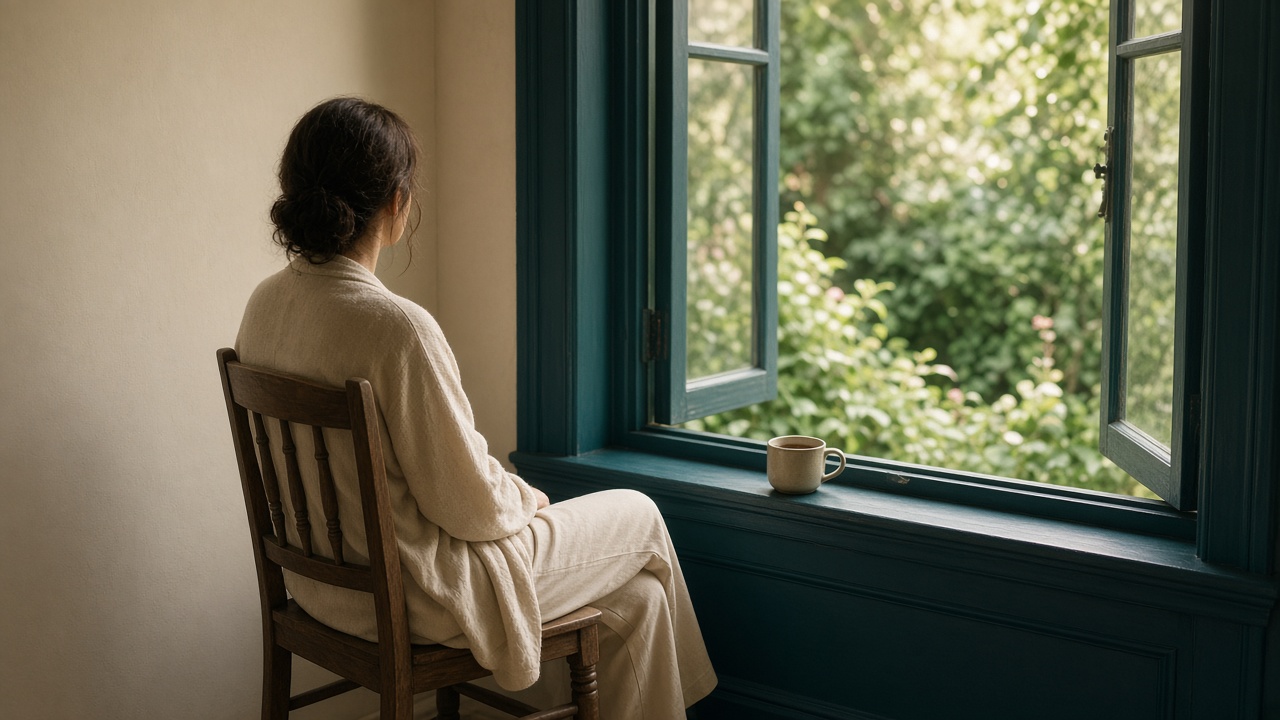
I think the first day or two after a journey can be particularly important. Sometimes we come back feeling very open, tender, and raw. We’ve just been through something that might have been incredibly meaningful or emotional, and then suddenly we’re back in our regular lives.
And it can be a little strange. You might be around people who have no idea what you’ve just experienced. You may have gone through something very deep and personal, and find that the people around you don’t really understand it. You might not even have the words to explain it yourself. Sometimes that can feel lonely or isolating.
I think it’s important to give yourself some room during this time. You don’t necessarily need to jump right back into your regular schedule or be available to everyone. Allow yourself some time to rest, process, and just be with what you’ve experienced.
There are lots of different ways people integrate. For some, it’s spending time alone, journaling, going for walks, or being out in nature. Sometimes it’s simply allowing yourself to stay in that openness and expansiveness for a little while, without immediately filling up your schedule or going back to the busyness of everyday life.
For others, it’s talking things through with people they know and love, people who can listen and help them process what came up. It can also be helpful to stay in touch with the person who guided the journey, as well as a therapist or integration practitioner.
Sometimes we need to talk about something to understand it better. Other times we need quiet and space, and don’t necessarily need to make sense of everything right away. I think it’s important to find what works for you and not feel that there’s one particular way you’re supposed to integrate.
The weeks after a journey are an incredible opportunity for change.
One of the things I find so exciting about psychedelic work is the neuroplasticity that follows a journey. For the next few weeks, there’s a heightened window of neuroplasticity, when the brain is more open to creating new connections and pathways.
I think of it as a window of opportunity.
Think about an infant or a young child. There are certain developmental windows when they’re able to learn particular things so easily and rapidly. Their brains are especially open to forming new pathways. We want to take advantage of those windows because learning something during that time can be so much easier than trying to learn it later in life.
I think there’s something similar after a psychedelic journey. We have an opportunity to work with patterns and behaviors that might have been very difficult for us to change in our everyday lives.
Maybe we’ve spent years responding to situations in a certain way. Maybe we shut down, disconnect, react with anger, have trouble setting boundaries, or struggle to let people get close to us.
And then, during a journey, we might experience something different. Maybe we feel connected in a way we haven’t felt in a long time. Maybe we experience what it’s like to be openhearted, to feel safe, or to respond to something without our usual defenses coming up.
I think it’s such an incredible opportunity to take that experience and begin practicing a different way of being.
And this is where I really encourage people to be intentional about their integration. If we have this window of openness and neuroplasticity, let’s use it. Let’s look at the things we’d like to change and actually begin practicing them. Maybe it’s responding differently in a relationship, setting a boundary, allowing ourselves to be more vulnerable, or learning to stay present when something feels uncomfortable.
It doesn’t have to be anything dramatic. Sometimes it’s the little everyday moments where we start making changes. And the more we practice these new ways of responding, the more we can begin to make them part of our lives.
I think this is one of the reasons integration is so important. We don’t want to just have a meaningful experience, come home, and go right back to doing everything the way we’ve always done it. We want to take advantage of what has opened up for us.
And having the right support around us can make a big difference. Ideally, we want to come back to a relatively stable home environment, have supportive people around us, and have someone we can talk to about what came up during the journey.
Sometimes we need someone to help us put words to an experience, notice patterns, or see connections we might not see on our own. And sometimes we need a little help actually following through with the changes we want to make. It’s one thing to have an insight during a journey, and another thing to bring that insight into a difficult conversation or a challenging moment in everyday life.
For me, that’s really what integration is about. It’s not just understanding what happened during a journey. It’s taking what we’ve experienced and allowing it to become part of how we live, how we relate to ourselves, and how we connect with the people around us.
Psychedelic experiences can open doors for us. Sometimes they show us possibilities we didn’t even know were there. But what we do with those openings afterward is such an important part of the process.
And I think that’s where some of the real change happens.
A consultation, if you want one
I offer psychedelic integration in Baltimore, Maryland, and online through zoom.
If you want to ask whether integration, a guided journey, or neither fits, a short conversation is enough to start.
Learn more about psychedelic cannabis journeys or schedule a free 15-minute consultation.